Why Do Some Temperatures Taste Better But Feel Weaker in UK Prescribed Cannabis?
For many prescribed cannabis patients in the UK, vaporisation is the go-to method of administration. Unlike smoking, vaping heats the cannabis flower without combustion, offering a different sensory and therapeutic experience. You might have noticed that when you vape at lower temperatures, the vapor tastes lighter and more flavorful, but feels less potent. What's going on here? This article will explain why lower temperature vaporisation offers tastier but weaker effects, how devices play a key role in your treatment, and the regulatory landscape that ensures safety and quality.
The UK Context: Vaporised, Not Smoked, Cannabis
First, a quick but important clarification: in the UK, prescribed cannabis is vaporised, not smoked. Smoking involves burning the cannabis flower at high temperatures, creating combustion by-products that are harmful, including tar and carcinogens. Vaporisation gently heats the cannabis to release cannabinoids and terpenes in a vapor form without burning the plant material.
Vaporisation is safer and cleaner because:
- It avoids producing harmful combustion by-products.
- It allows better control over temperature, leading to a controlled therapeutic effect.
- Patients inhale a lighter, more pleasant vapor rather than smoke.
Because of this regulated approach in the UK, the devices used for prescribed cannabis are medical-grade and approved for specific dosing, under supervision of pharmacists and healthcare professionals.
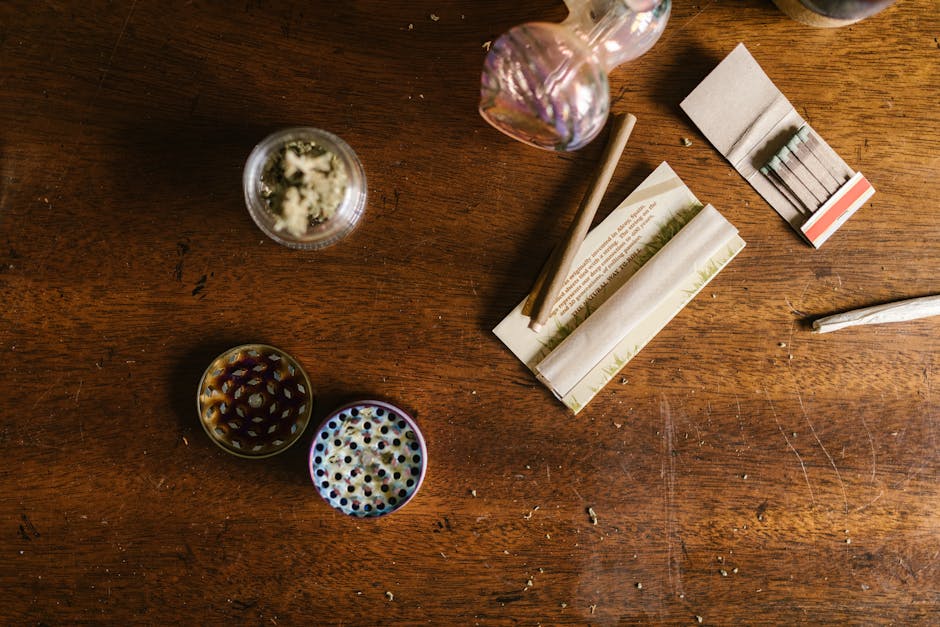
Combustion By-products vs. Vaporisation: Why Flavor and Strength Vary
Understanding the chemistry of vaporisation helps explain why lower temperatures produce lighter vapor that tastes better but feels weaker. The key players here are cannabinoids (like THC and CBD) and terpenes.
What Happens During Combustion?
When cannabis is smoked, the temperature reaches around 600-900°C. This extreme heat burns the plant matter, releasing cannabinoids but also creating unwanted combustion by-products like tar, ash, and toxic gases. These not only irritate your lungs but also mask natural flavors. The overall effect feels strong but can be harsh and unpleasant.
How Vaporisation Works
Medical cannabis vaporizers heat cannabis to lower temperatures, typically between 160°C and 220°C. At these controlled temperatures:
- Terpenes, the aromatic oils that give cannabis its flavor and smell, evaporate first because they are more volatile (evaporate at lower temperatures).
- Cannabinoids vaporise at slightly higher temperatures.
This means that at a lower vaporisation temperature, you inhale a vapor that is rich in flavorful terpenes but contains fewer cannabinoids, resulting in a tastier but lighter effect.
Temperature Ranges and Their Effects
Temperature What Evaporates? Flavor Profile Effect Strength 160-180°C Terpenes (more volatile) Lighter, richer flavors Milder effects (less cannabinoids) 180-200°C Terpenes + Some cannabinoids Balanced flavor and effect Moderate effects 200-220°C Most cannabinoids vaporise Stronger cannabis taste, less delicate Strongest effects before combustion riskLower Temp, Lighter Vapor: The Science of Terpenes and Cannabinoids
Terpenes are more volatile than cannabinoids, meaning they evaporate at lower temperatures. This volatility leads to their rich currency and logistics costs medicine aromatic profiles showing up predominantly in low temperature vaporisation. Examples include:
- Myrcene: Evaporates around 166-168°C, gives an earthy, musky aroma.
- Limonene: Around 176°C, citrusy and fresh.
- Linalool: Around 198°C, floral and lavender-like.
Since these terpenes vaporise first, the vapor tastes brighter and more nuanced at lower temps. In contrast, cannabinoids like THC and CBD require slightly higher temps (~157-220°C) to fully vaporise. At the lower end, you get less cannabinoid extraction, so the effects feel lighter.
The Vaporizer Device as Part of Your Treatment
In the UK, prescribed cannabis devices are regulated and considered part of your healthcare, not just accessories. Here’s why that matters:
- Precision dosing: Devices are designed to control temperature and dose consistency, important for managing symptoms effectively.
- Safety: Medical devices meet strict quality standards regulated by the General Pharmaceutical Council (GPhC) and NHS guidelines.
- User training: Pharmacists provide guidance to ensure patients use devices correctly for maximum benefit and minimal risk.
Choosing the right device and temperature setting is an integral part of your treatment plan, tailored to your medical needs and tolerance.
Regulation in the UK: Pharmacy and GPhC Oversight
Unlike recreational cannabis, prescribed medicinal cannabis in the UK is heavily regulated:
- Prescriptions: Can only be issued by specialist doctors after thorough assessment.
- Dispensing: Medicines and devices are dispensed by GPhC-registered pharmacies, ensuring legitimacy and safety.
- Device standards: Vaporisers used are medical devices meeting strict performance and safety standards.
This regulatory framework protects patients by ensuring that the vaporiser and prescribed cannabis work together to deliver controlled, safe, and effective treatment. It also means that cannabis is never described as smokable in the UK medicinal context, reflecting current legal and clinical practice.

Summary: Why Lower Temp Vaping Tastes Better but Feels Weaker
To recap:
- Vaporisation heats cannabis without burning it, avoiding harmful smoke and producing cleaner vapor.
- Lower temperatures primarily release volatile terpenes, enhancing taste and aroma.
- At these lower temperatures, fewer cannabinoids vaporise, leading to milder effects.
- Medical devices ensure precise temperature control and consistent dosing as part of regulated treatment.
- UK regulations prioritize patient safety, quality, and clinical oversight, prohibiting smoking in medicinal cannabis use.
Understanding how temperature impacts your vapor's taste and strength helps you use your prescribed cannabis more effectively. Always discuss with your healthcare provider or pharmacist about the right device settings for your treatment goals.
Further Resources
- General Pharmaceutical Council (GPhC)
- NHS Medical Cannabis Guidance
- Electronic Medicines Compendium (eMC)