What Can Clubs Do for Veterans with Bad Knees Besides Praising Them for Playing On?
Any seasoned football fan or player with a dodgy knee knows the usual script all too well. When a veteran pulls up lame, you’ll often hear the club, coaches, or fellow players heap praise on their grit and toughness for “playing through the pain.” But what if the problem is more than just a bruise or a knock? What if that “bad knee” is a ticking time bomb of chronic pain, stiffness, or even osteoarthritis that could seriously hamper quality of life in the years after hanging up the boots?
This post dives into the real challenges veteran players face with knee problems, unpicks the persistent stigma around reporting pain in football culture, and looks at what clubs can genuinely do—not just pat backs and hand out plaudits—to support their older players. We’ll tackle injury mechanisms like imperfect healing, cumulative loading, and central sensitisation, and highlight practical approaches including active rehab with graded exercise and strengthening. Plus, we’ll touch on the newer support pathways like medical cannabis and what guidance clubs can access through agencies such as UK Anti-Doping (UKAD).
Football Culture and the Stigma Around Reporting Pain
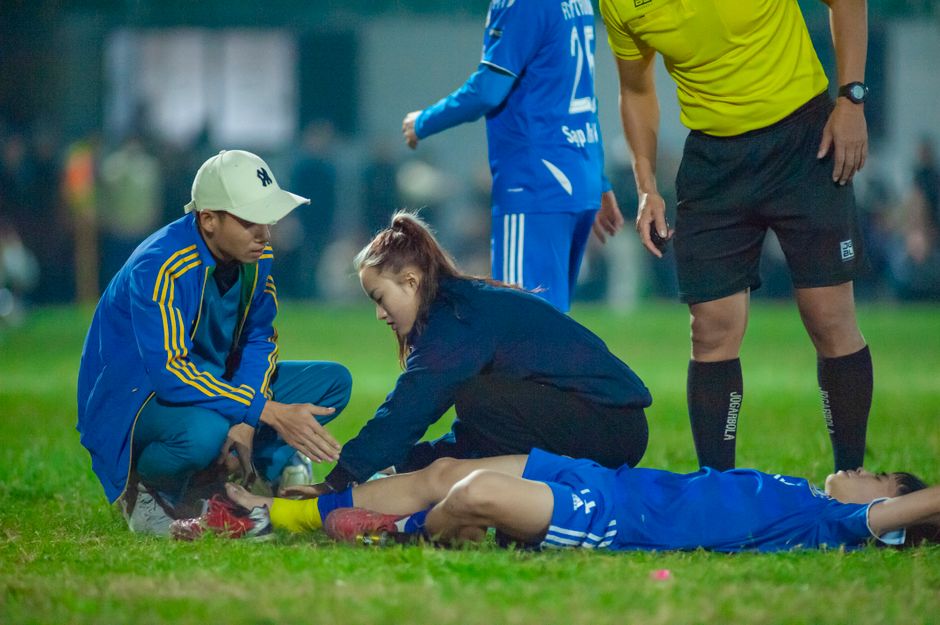
Step into most changing rooms, and you’ll hear one unwelcome theme repeated time and again: “Pain is part of the game.” The unspoken rule is that toughness means playing through discomfort, ignoring niggles, and usually downplaying or even hiding persistent pain. Players often fear looking “soft” or risking their place in the squad if they complain about knee pain or other issues.
This culture can be crushing for veterans dealing with chronic knee problems. Their experience, ironically, can work against them—“you’ve been through so much, just push on.” But as anyone who’s amassed years of football mileage knows, this approach isn’t sustainable.
- Ignoring or dismissing pain delays proper assessment or treatment.
- This can result in worsening symptoms, compromised function, or forced early retirement.
- Players may resort to playing injured, risking further damage.
Change starts with clubs acknowledging that “playing on” should not equal “suffering silently.” Encouraging honest reporting and assessment of pain must come first.
Long-term Outcomes: Osteoarthritis and Persistent Pain
One of the biggest risks veterans take when they push through knee pain without proper intervention is developing osteoarthritis (OA). Studies show footballers—especially those with previous knee injuries—have a significantly higher risk of OA in their playing knee than the general population.
OA is a degenerative joint disease where the cartilage cushioning the knee wears down, leading to pain, stiffness, swelling, and reduced mobility. But pain isn’t always a straightforward signal of structural damage. Persistent knee pain can develop even when scans look relatively “normal” due to complex nerve changes, known as central sensitisation.
Central sensitisation means the nervous system becomes overly sensitive to pain signals, amplifying discomfort even with minor stress on the joint. This explains why many veterans describe fluctuating knee pain that isn’t always linked to clear structural damage on x-rays or MRIs.
The Mechanisms Behind Persistent Knee Pain in Football Veterans
1. Imperfect Healing
Repetitive knee injuries often undergo imperfect healing. Tissue damage, especially to cartilage or menisci, rarely returns to the original state. Instead, scar tissue forms, which is less resilient and more prone to subsequent injury. Over time, this contributes to joint instability and pain.
2. Cumulative Loading
Football is a high-load sport—cuts, pivots, jumps, and collisions all place significant stress on the knee, especially over years of play. Think of the knee like a well-used hinge: the more wear it takes without proper maintenance, the more likely it is to stiffen or ache.
3. Central Sensitisation
After chronic injury and pain cycles, the nervous system can go awry, heightening pain signals—a process called central sensitisation. This means the knee can feel painful in everyday activities long after significant tissue damage has healed or stabilized.
Changing Club Culture: Moving Beyond Praising “Playing On”
True support for players with bad knees must start with transforming club culture:
- Encourage Open Dialogues About Pain: Create a safe environment where veterans aren’t worried about stigma or losing selection when reporting knee pain.
- Normalise Regular Assessments: Move away from ad hoc injury checks to routine, holistic musculoskeletal screenings, especially for older squad members.
- Educate Staff and Players: Workshops or briefings on chronic pain mechanics and long-term joint health can reframe pain from weakness to a health issue that needs management.
- Celebrate Smart Rehab: Praise responsible injury management and compliance with rehab programs, rather than glorifying “playing injured.”
Encouraging Assessment: The First Step to Real Support
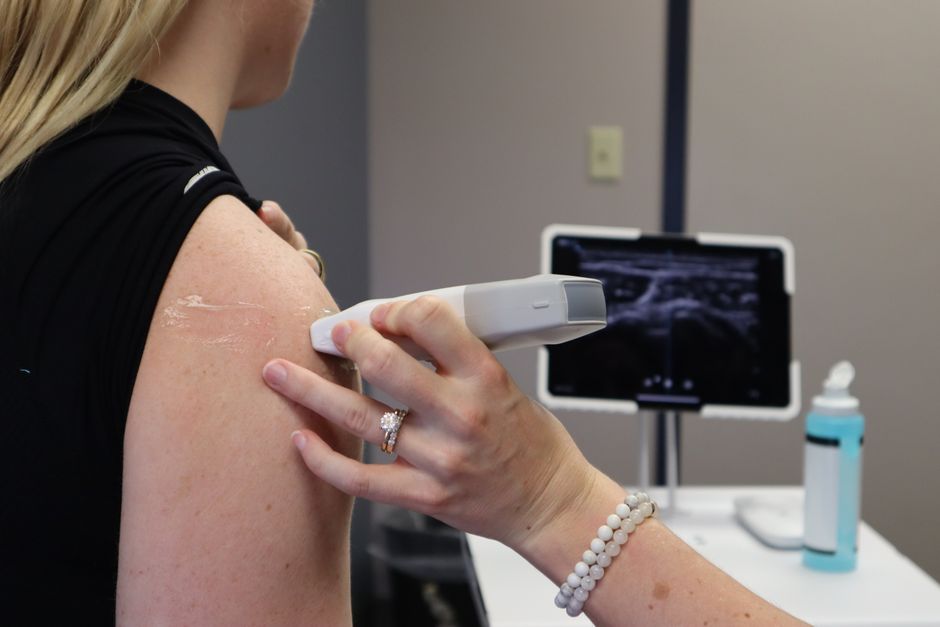
One of the biggest barriers veterans face is getting proper assessment. Many players only get scans or physio input once pain becomes unbearable.
Clubs can:
- Implement annual knee health checks.
- Use validated screening tools to detect early signs of osteoarthritis or biomechanical issues.
- Offer ankle-to-hip musculoskeletal assessments to spot factors contributing to knee problems.
- Refer promptly to sports medicine experts rather than relying solely on matchday physio or first aid.
It’s crucial clubs understand that early assessment means early intervention, which often leads to better long-term outcomes and can extend a veteran’s playing career or quality of life post-football.
UK Anti-Doping (UKAD) Guidance
Clubs and medical staff must also be mindful of anti-doping regulations when exploring treatments. pieandbovril The UKAD website provides essential guidance on substances and therapies allowed within professional sport.
For example, while certain painkillers and supplements are permitted, other treatments such as some forms of medical cannabis are under strict regulation and may require Therapeutic Use Exemptions (TUEs).
Active Rehab: Graded Exercise and Strengthening
One of the most effective ways to manage chronic knee problems in veteran players is through active rehabilitation focused on graded exercise and strengthening. Passive treatments like massage or rest alone rarely address the underlying issues.
- Graded Exercise: Gradually increasing activity levels tailored to pain and function helps avoid flares and promotes tissue adaptation without overloading the joint.
- Strengthening: Targeted muscle strengthening, particularly around the quadriceps, hamstrings, glutes, and calf muscles, improves knee stability and load distribution.
- Neuromuscular Control: Training balance, proprioception, and movement quality reduces harmful joint stresses.
- Pain Education: Explaining mechanisms of pain helps reduce fear and avoidance, which are often counterproductive.
Simple rehab routines can be designed so veterans can perform them unsupervised or with minimal guidance, cutting through the complexity and helping them stick with consistent care.
Supporting Older Players: Beyond the Pitch
Clubs can extend their support for veterans with knee problems beyond just playing careers:
- Offer access to private clinic pathways for specialized treatments, including consultation on medical cannabis where legally and medically appropriate.
- Provide ongoing physiotherapy or musculoskeletal support post-retirement.
- Run educational sessions on joint health, nutrition, and lifestyle modifications to help manage symptoms long term.
- Create mentorship roles that value experience but also reduce physical load.
Medical Cannabis in Veteran Care Pathways
Recent developments in medical cannabis have opened new avenues for managing chronic pain. Some private clinics now offer pathways for eligible patients—under strict clinical and legal oversight—to access cannabis-based products aimed at pain relief and inflammation management.
Clubs exploring this option must do so carefully, guided by UKAD’s regulations, medical advice, and player consent. It is no magic bullet but can be part of a broader multi-modal pain management strategy.
Summary Table: What Clubs Can Do for Veterans with Bad Knees
Aspect Current (Problematic) Approach Recommended Club Actions Culture Praise “playing through pain” and stigma towards reporting Promote open pain reporting; reframe pain as treatable health issue Assessment Reactive, only after severe injury or breakdown Regular knee health screenings; early referral to specialists Rehab Passive treatments and rest; inconsistent follow-up Structured active rehab programs with graded exercise and strengthening Medical Options Limited; fear of doping violations Use UKAD guidance to explore legal treatments including medical cannabis if appropriate Post-care Support Minimal after retirement Provide ongoing physio, education, and non-playing roles to support wellbeingFinal Thoughts
We all admire the grit of veteran players who “play on” despite a dodgy knee, but genuine respect comes with real support. Clubs must move beyond tired platitudes and invest in changing culture, encouraging honest assessment, and delivering active, evidence-based rehab strategies.
Supporting older players with bad knees is about more than match fitness—it’s about quality of life beyond football and acknowledging the sacrifices veterans have made. By embracing these measures and responsibly navigating medical advancements, football can finally walk the walk—not just talk the talk—when it comes to looking after the players who have given it their all.
If you’re part of a club or a veteran player reading this, the first step is simple: ask “What changed in the last 6 weeks?” for that knee pain and push for an honest assessment. No more vague “just rest it” nonsense. Real talk, real care.