USDA Organic CBD: Is It Worth Paying Extra?
USDA organic CBD can sound like an easy upgrade: cleaner hemp, safer oil, better results. But an organic seal does not tell you everything you need to know about a CBD product. It does not confirm how much cannabidiol is in the bottle, whether the product contains THC, or whether it will meet your needs.
The practical answer: paying more may make sense if the certification is genuine and organic https://highstylife.com/tested-athlete-cbd-choices-broad-spectrum-vs-isolate/ hemp sourcing matters to you. It is not a substitute for a batch-specific certificate of analysis (COA), sensible lab testing, or a clear label. And if a retailer’s article lists no product prices, you cannot tell from that article how large the organic price premium really is.
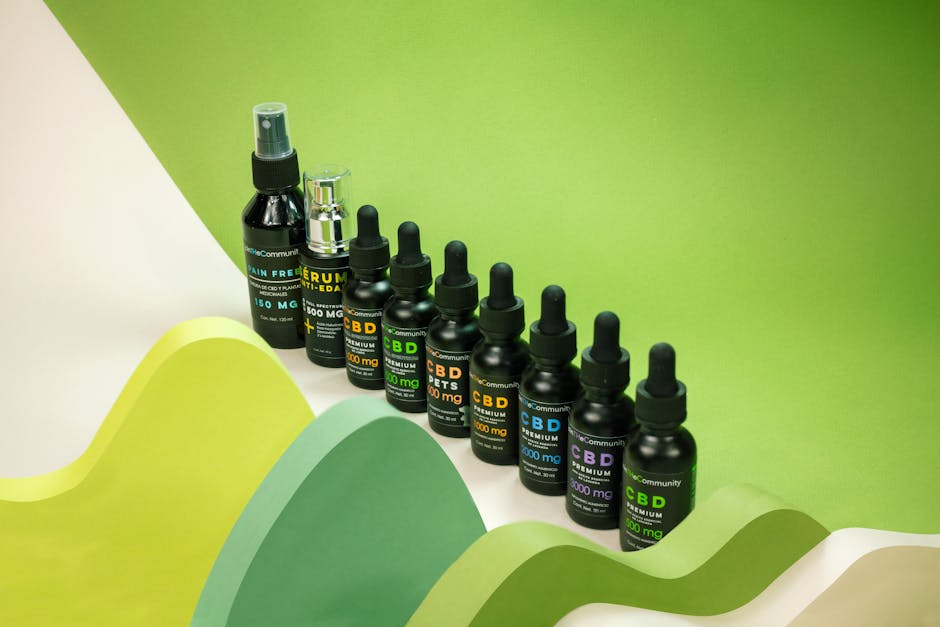
What “USDA Organic” Means for CBD
USDA organic certification is a government-backed standard for how agricultural products are grown and handled. For hemp, that can involve requirements around prohibited substances, soil practices, and the handling of the crop. The certification is relevant to hemp sourcing: it offers more documented oversight of the agricultural supply chain than a broad marketing claim such as “naturally grown.”
One important distinction: the USDA does not approve CBD as a medicine or certify that a CBD product treats a health condition. A finished product’s organic status also depends on its ingredients and processing, not simply on whether the hemp plant was certified organic. Ask what exactly is certified—the farm, the hemp ingredient, or the finished product—and look for documentation supporting the claim.
Organic certification is one useful data point, not a guarantee that a product is safe, potent, or right for you. It also does not mean “pesticide-free” in an absolute sense. Organic standards restrict certain substances and practices, but testing is still important.
Why CBD Became More Mainstream
The 2018 Farm Bill removed hemp from the federal Controlled Substances Act’s definition of marijuana, provided hemp meets the federal THC limit of no more than 0.3% on a dry-weight basis. That change helped hemp businesses expand and made CBD products more visible in pharmacies, grocery stores, and online shops.
It did not make every CBD product federally approved or guarantee that every product is legal in every situation. The Food and Drug Administration’s rules still apply, including restrictions on marketing CBD as a treatment for diseases. State rules and product requirements can vary. Mainstream availability is not the same as proof of quality.
Full-Spectrum, Broad-Spectrum, and Isolate: What’s the Difference?
These terms describe the types of hemp compounds a product is intended to contain. The label is a starting point; the COA is where you check whether the tested batch matches the claim.
Type What it generally contains What to check Full-spectrum CBD and other hemp compounds, including some THC Measured THC per serving and the batch’s total THC result Broad-spectrum CBD and some other hemp compounds; THC is intended to be removed Whether THC was detected, and the lab’s reporting limit CBD isolate Primarily purified CBD, without the other hemp compounds intended in a whole-plant extract CBD potency, purity, and whether THC or contaminants were detected“Entourage effect” is the idea that CBD and other cannabis compounds may work together differently than they do on their own. It is a popular explanation for choosing a multi-compound extract, but it is not proof that a full- or broad-spectrum product will work better for every person. Research is still developing.
THC-Free Claims and Drug Testing Risk
People often seek a THC-free product because they want to avoid THC or are concerned about workplace drug testing. “THC-free” is not a magic phrase. It should be backed by a COA for the specific batch, and that report should show whether THC was detected and at what level. A result of “not detected” means the substance was below that lab’s detection limit; it does not necessarily mean absolute zero.

CBD products are not the same as standard workplace drug tests, which generally look for THC-related compounds rather than CBD. However, using a CBD product that contains THC can create a risk of a positive result, especially with repeated use or larger amounts. Products may will CBD fail a drug test also be mislabeled or contaminated during manufacturing. Even a product marketed as broad-spectrum or THC-free cannot remove all uncertainty.
If a positive drug test would have serious consequences, the lowest-risk option is to avoid CBD products that may contain THC—and to discuss the choice with your employer or a qualified health professional. A lab report can reduce uncertainty; it cannot guarantee a negative test.
How to Read a Batch-Specific COA
A certificate of analysis is a lab report showing test results for a product sample. “Batch-specific” means the report identifies the same production lot printed on the package you are considering. A generic report or a COA for a different batch does not verify the bottle in your hand.
Use this checklist before buying:
- Match the batch: Confirm the lot number on the package matches the COA.
- Check the date: Look for a recent report and identify the lab that performed the testing.
- Review cannabinoids: Compare the CBD amount with the label, and check THC results if avoiding THC matters to you.
- Look for the reporting limit: A THC result marked “ND” should be interpreted alongside the lab’s detection or quantification limit.
- Check contaminants: Depending on the product, useful testing may cover pesticides, heavy metals, residual solvents, and microbial contaminants.
- Look for a complete report: A cropped image showing only CBD potency is less useful than the full report.
A COA is evidence about the tested sample, not a guarantee that every bottle is identical or that the product is effective. Still, a clear, accessible, batch-specific report is a stronger sign of transparency than a badge or promise alone.
Why Lab Testing and Refinement Matter
Testing does not happen only at the farm. After harvest, hemp is processed to extract and refine its compounds. Common extraction methods include carbon dioxide and ethanol processes. Further steps—such as filtering, winterization, or distillation—can help separate plant material, fats, waxes, and targeted cannabinoids. Manufacturers may also use additional processing to reduce THC in a broad-spectrum product.
Each step can affect the final extract. Refinement is not automatically a sign of a better product, and organic farming does not tell you how carefully extraction was handled. Ask whether the company tests the finished product, not just raw hemp, and whether its COA covers both potency and relevant contaminants. A maker should be able to explain its process in plain language without treating proprietary details as a reason to avoid basic quality questions.
Is USDA Organic CBD Worth Paying Extra For?
It may be worth considering if you value documented organic hemp sourcing, the certification is verifiable, and the product also meets your standards for testing and transparency. It may not be worth a premium if the only evidence is an “organic” word on a label or the seller cannot show which ingredient or operation is certified.
There is also a common shopping problem: some scraped articles and comparison pages do not list product prices. If no prices are shown, it is not possible to say which brand costs more or calculate an organic premium from that article. Treat any claim that a particular product is “worth the extra cost” cautiously unless current prices are available.
When prices are listed, compare like with like. Check the amount of CBD per bottle, the number of servings, and the price per milligram of CBD—not just the sticker price. Then factor in the quality information, including the COA and certification documents. A lower price per milligram does not make a product a better buy if the batch report is missing or the label is unclear.
A Practical CBD Buying Checklist
- Verify the organic claim. Ask what is certified and look for supporting documentation.
- Choose the extract type intentionally. Consider whether you want full-spectrum, broad-spectrum, or isolate, particularly if THC is a concern.
- Find the batch-specific COA. Match its lot number to the package and review potency, THC, and contaminant results.
- Compare products on equal terms. If prices are available, calculate cost per milligram and check the amount per serving.
- Be realistic about claims. Organic certification and lab testing do not prove that CBD will treat a condition or work the same way for everyone.
The Bottom Line
USDA organic CBD can offer useful information about how the hemp was grown and handled, so the certification may matter to shoppers who prioritize organic agriculture. But it is only one part of a quality check. Read the label, verify what is actually certified, and review a batch-specific COA—especially if you need to avoid THC because of drug testing.
If an article provides no product prices, it cannot establish how much extra organic CBD costs. Compare current products by CBD amount, documentation, and certification rather than assuming the USDA seal alone justifies a higher price.