How Close Is ‘Too Close’ to Combustion on a Cannabis Vape?
When it comes to medical cannabis prescribed in the UK, the method of use matters a great deal. Contrary to popular belief and some casual terminology tossed around online, prescribed cannabis is vaporised—not smoked. Understanding the difference is key to safe, effective treatment and to complying with NHS and GPhC regulations.
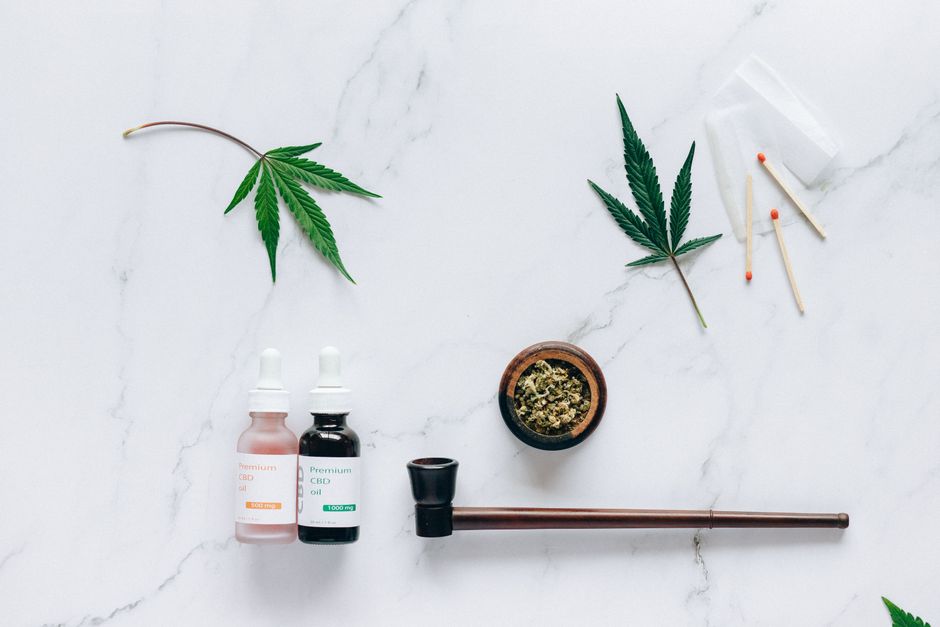
One phrase you might hear, especially among patients and clinicians, is the combustion threshold. This is the point where heat on a vaporiser tip gets too high, risking combustion—a chemical reaction that releases harmful by-products and drastically changes the nature of the cannabis inhaled.
In this article, we'll explain:
- What vaporisation really means against combustion, in clear terms.
- Why the combustion threshold is considered a "top of range risk" and must be avoided.
- The types of harsh by-products generated by combustion.
- How the vaporiser device itself is part of the prescribed treatment regimen.
- The regulatory framework around pharmacy supply and device use.
Prescribed Cannabis in the UK: Vaporised, Not Smoked
First, let's clear up a frequent confusion:
Prescribed cannabis in the UK is inhaled via vaporisation—which heats the cannabis just enough to release active compounds but not enough to ignite plant material.
This is because combustion (smoking) produces tar, carbon monoxide, and other toxins, which are harmful to lung health and overall patient safety. Vaporisation, on the other hand, heats cannabis to a temperature that releases its cannabinoids and terpenes as vapor without burning the plant matter.

Typical vaporisation temperatures range from 160°C to around 220°C (320°F to 428°F). Combustion generally begins at around 230°C (446°F) or above, depending on plant material and device.
Why does this matter?
Many patients want to avoid smoking for health reasons and because the NHS regulation explicitly supports vaporising prescribed cannabis to maintain consistent dosing and reduce risks associated with inhaling smoke.
The Combustion Threshold: What Is It and Why Is It 'Too Close'?
The combustion threshold refers to the critical temperature point at which cannabis shifts from purely vaporising to starting to char or ignite—a chemical change with potentially harmful effects.
Process Temperature Range Description Vaporisation 160°C - 220°C (320°F - 428°F) Releases active compounds without burning plant material. Combustion Threshold ~230°C (446°F) and above Onset of burning and production of smoke with toxins.The problem with being “too close” to the combustion threshold is the risk of unknowingly inhaling carcinogens, irritants, and unpredictable chemical by-products that can irritate the lungs, worsen symptoms and reduce treatment effectiveness.
From a clinical perspective, this represents the "top of range risk"—the upper safety limit for inhalation temperature patients and prescribers must avoid crossing.
How close is too close?
Devices will have temperature adjustments usually precise to a few degrees. The ideal practice:
- Set the vaporiser safely below the combustion threshold (e.g., max 220°C).
- Monitor device temperature to prevent spikes that might approach or exceed 230°C.
- Avoid “hot spots” by following manufacturer guidance on device preparation and cannabis loading.
This means the thermal control and consistent dosing settings on the vaporiser are not just convenience—they are an essential part of the treatment itself.
Harsh By-Products From Combustion To Watch For
What exactly do patients inhale if the vaporiser gets too hot? Combustion produces a mix of potentially harmful substances:
- Tar – Sticky residues containing harmful chemicals.
- Carbon monoxide – A toxic gas that reduces oxygen delivery to tissues.
- Polycyclic aromatic hydrocarbons (PAHs) – Cancer-linked particles.
- Acrolein and formaldehyde – Strong lung irritants and carcinogens.
- Benzene and toluene – Volatile organic compounds affecting the nervous system.
These harsh by-products are absent or minimal during proper vaporisation, making inhaled vapor far less risky compared to smoke inhalation from combustion.
The Vaporiser Device: More Than Just Hardware
In UK prescribed cannabis care, the vaporiser device is recognized as part of the treatment, not a simple accessory.
- Pharmacies supplying medical cannabis typically provide or recommend devices with precise temperature control.
- Devices are selected based on dose consistency, ease of use, and reliability to help patients stick to their prescribed regimen.
- Training on device operation is often part of the care package to mitigate risks around overheating and combustion.
This holistic approach ensures better patient safety, adherence, and therapeutic outcomes.
Regulation from Pharmacy and GPhC: What’s Enforced
The General Pharmaceutical Council (GPhC) regulates the supply of prescription medicines and devices in the UK, including those related to prescribed cannabis treatment.
Key regulatory points include:
- Pharmaceutical standards require devices supplied to patients to be suitable and safe for prescribed cannabis vaporisation.
- Pharmacies must provide clear instructions to avoid risks like combustion and harmful inhalation.
- Devices and cannabis products must meet quality control standards for consistency and safety.
- Patient records and prescription monitoring must reflect dosing and device use aligned with clinical guidelines.
This regulatory framework ensures that patients receive not only the right cannabis product but also the right vaporisation tools and education to use them safely.
Summary: Staying Safely Below the Combustion Threshold
Aspect Key Point Prescribed Use Vaporisation, not smoking, is the UK standard for medical cannabis. Combustion Threshold About 230°C; temperatures at or above this risk producing harmful by-products. Harsh By-Products Smoke contains tar, carbon monoxide, and carcinogens, which vaporisation avoids. Device Role Devices with accurate temperature control are part of treatment to avoid combustion. Regulation Pharmacies and GPhC enforce standards ensuring device safety and patient guidance.In practice: if you’re prescribed medical cannabis in the UK and vaporising, remember this simple rule— keep your vaporiser comfortably under 230°C thelondoneconomic to avoid combustion. Doing so protects your lungs, keeps dosing consistent, and ensures your treatment works as intended.
If in doubt, always check with your pharmacist and device instructions. The right equipment and knowledge make all the difference.
Further Reading and Resources
- General Pharmaceutical Council (GPhC) Official Website
- NHS Guide to Medical Cannabis
- Clinical review on cannabis vaporisation and combustion thresholds